
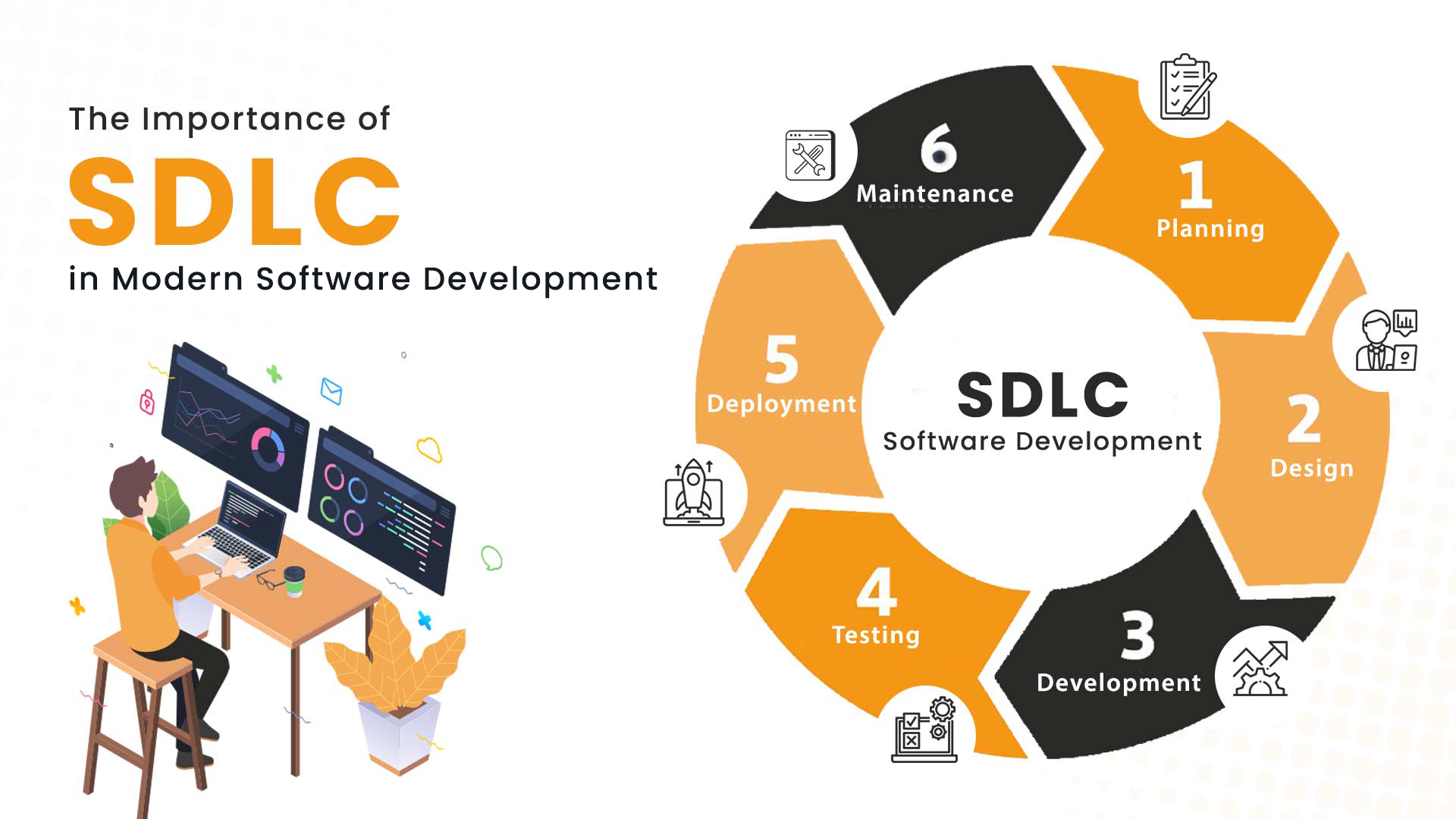
In today’s fast-paced digital world, building high-quality software is no longer just about writing code—it’s about delivering reliable, scalable, and user-focused solutions. This is where the Software Development Life Cycle (SDLC) plays a crucial role. SDLC provides a structured approach that helps development teams plan, design, build, test, and deploy software efficiently.
What is SDLC?
The Software Development Life Cycle (SDLC) is a systematic process used by software teams to develop applications. It consists of multiple phases, typically including planning, requirement analysis, design, development, testing, deployment, and maintenance. Each phase ensures that the software meets quality standards and business requirements.
Why SDLC is Important in Modern Software Development
1. Clear Project Planning and Structure
SDLC offers a well-defined roadmap for software development. It helps teams understand project goals, timelines, and deliverables from the beginning, reducing confusion and improving coordination.
2. Improved Quality of Software
By following a structured approach, SDLC ensures that every stage of development is carefully executed. Continuous testing and validation help identify bugs early, leading to a more reliable and high-quality product.
3. Better Risk Management
Modern software projects often involve complex requirements and technologies. SDLC helps identify potential risks early in the process, allowing teams to mitigate them before they become major issues.
With platforms like AWS, Azure, and Google Cloud expanding their ecosystem, more businesses are shifting toward cloud-first strategies to reduce costs, improve scalability, and boost flexibility.
4. Enhanced Team Collaboration
SDLC promotes better communication between developers, designers, testers, and stakeholders. Everyone works within a defined framework, ensuring smoother collaboration and fewer misunderstandings.
5. Cost Efficiency
Fixing errors in later stages of development can be expensive. SDLC minimizes costs by identifying issues early and reducing rework, making the development process more budget-friendly.
6. Faster Time to Market
With structured phases and clear workflows, SDLC helps teams work more efficiently. Modern approaches like Agile allow for faster iterations and quicker delivery of software products.
7. Customer Satisfaction
SDLC ensures that user requirements are gathered and addressed properly. Continuous feedback and testing result in software that meets customer expectations and delivers a better user experience.
8. Scalability and Flexibility
Modern software needs to evolve with changing business needs. SDLC frameworks, especially Agile and DevOps, support scalability and flexibility, allowing teams to adapt quickly to changes.
Role of SDLC in Modern Development Models
Today, SDLC is not limited to traditional models like Waterfall. It has evolved to include modern methodologies such as:
10. Growth of Sustainable & Ethical Software Development
Agile– Focuses on iterative development and continuous feedback
DevOps– Integrates development and operations for faster delivery
Spiral Model– Emphasizes risk assessment and iterative progress